
Altiora

OUR UNIQUE PHILOSOPHY

Inspired by:

  • Brain Research – For age-appropriate learning strategies.
  • Multiple Intelligences – Honoring diverse ways children learn.
  • Bloom’s Taxonomy – Scaffolding thinking from remembering to creating.
  • Integrated, Theme-Based Learning – Connecting knowledge to real-life contexts.
  • Developmentally Appropriate Practices – Respecting each child’s pace and potential.

At , our activities are thoughtfully crafted to support cognitive development in young children. Through play-based learning, storytelling, and hands-on exploration, we help children build memory, attention, and problem-solving skills—
nurturing curious minds every step of the way.

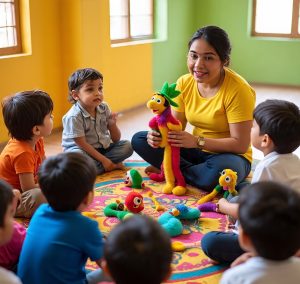
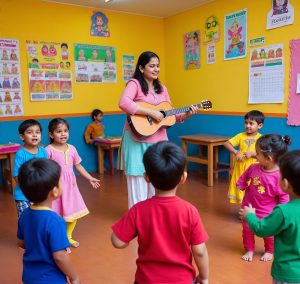
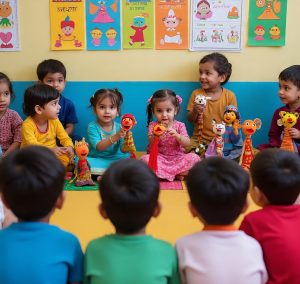
  • Storytelling with puppets – fosters listening and imagination
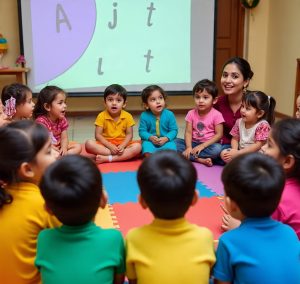
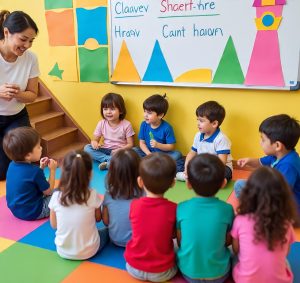
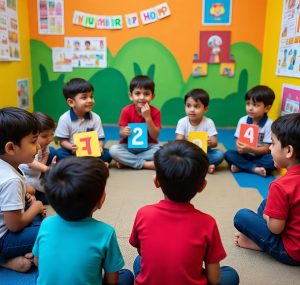
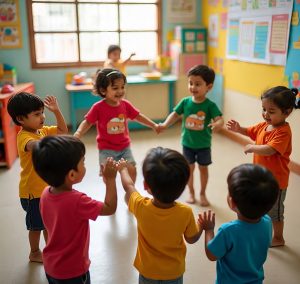
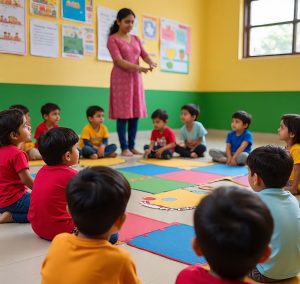
  • Circle Time- listening and speaking skills
  • Letter hunts (indoor/outdoor) – letter recognition through movement
  • Alphabet songs and rhymes – phonemic awareness via music
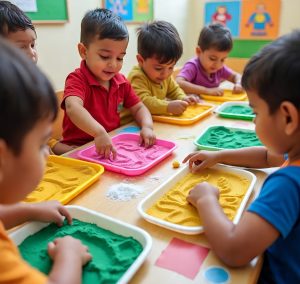
  • Sand tracing/maida tracing, salt tray writing sand letter tracing– sensory and pre-writing skills
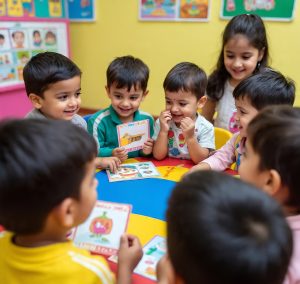
  • Picture-based vocabulary games/object talk/word splash – build speaking and word association
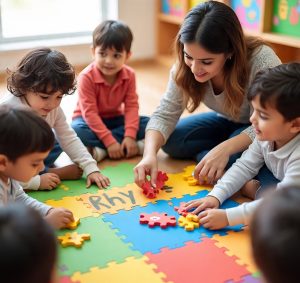
  • Rhyming word puzzles – sound recognition
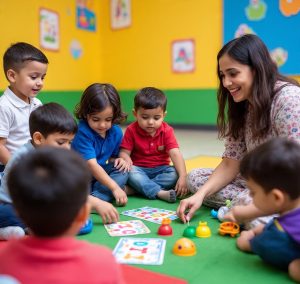
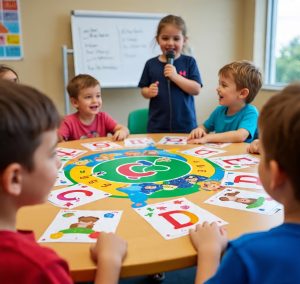
  • Letter-sound bingo – phoneme identification
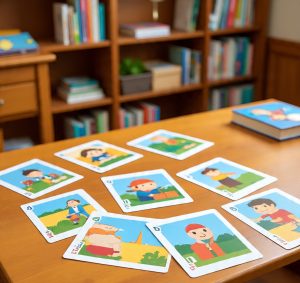
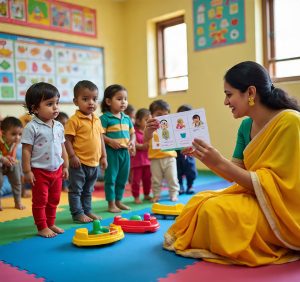
  • Story sequencing cards – understanding narrative flow
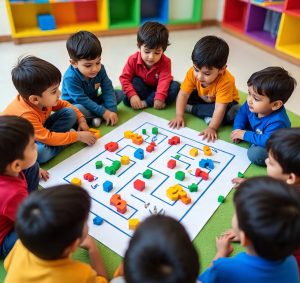
  • Sorting objects by colour, shape, size – classification and critical thinking
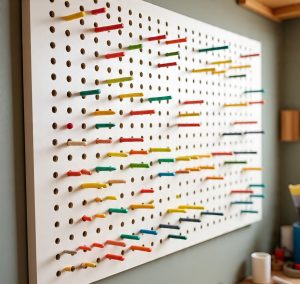
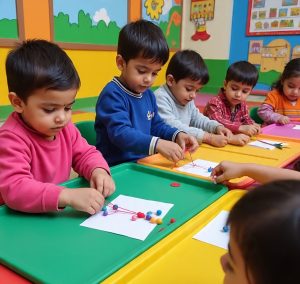
  • Peg boards- classification, pattern making
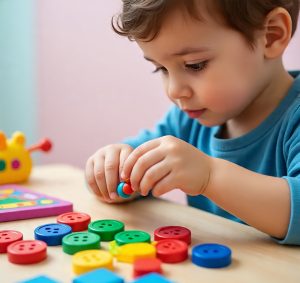
  • Counting with manipulatives (beads, buttons, blocks) – one-to-one correspondence
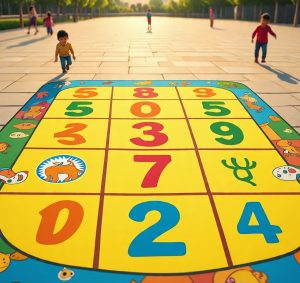
  • Hopscotch with numbers – gross motor + number recognition
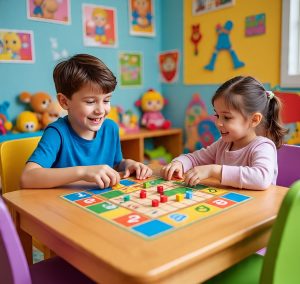
  • Board games with dice (e.g., Snakes & Ladders) – sequencing, counting
  • Measuring with non-standard units (e.g., paperclips, hands) – concept of measurement
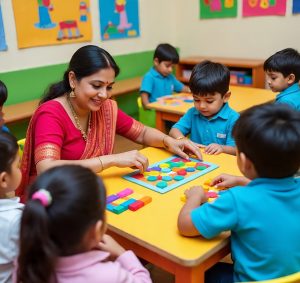
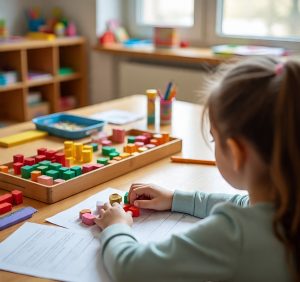
  • Pattern making with blocks & beads– logic and sequence
  • Number hop game – active number recall
  • Shape scavenger hunt – visual discrimination and geometry
  • Ascending & descending – using brown stairs & Pink Tower
  • Fractions – folding mats, paper
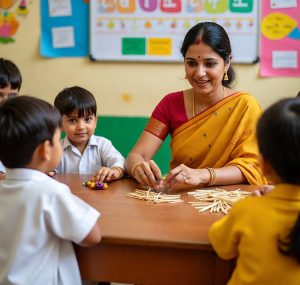
  • Tens & ones – using beads & bundles of sticks
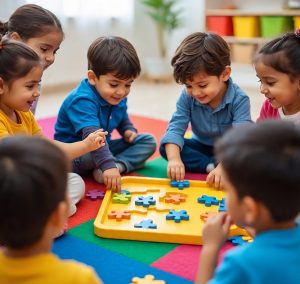
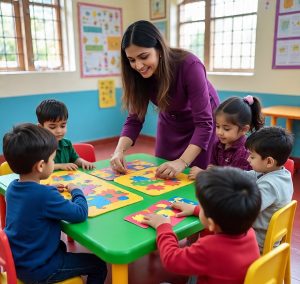
  • Puzzles- visual perception, logical thinking
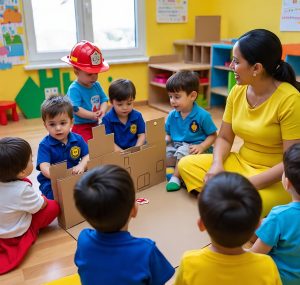
  • Role play related to themes (community helpers, seasons) – integrated knowledge
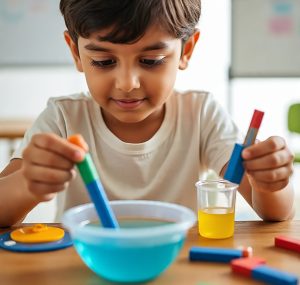
  • Simple science experiments (e.g., sink/float, magnets) – inquiry-based discovery
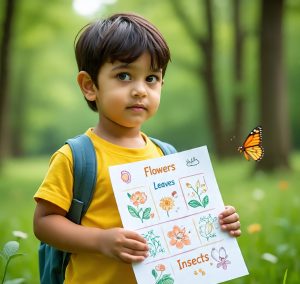
  • Nature walks with observation charts – awareness and documentation
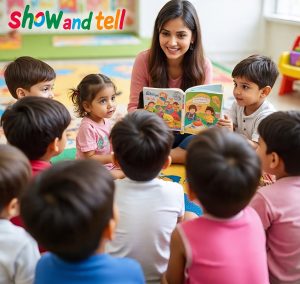
  • Show and tell around POI themes – expression, vocabulary building
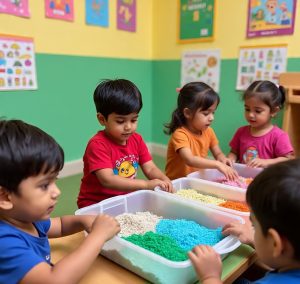
  • Musical instruments/sound boxes/sensory box/theme-based sensory bins – sensory exploration linked to a topic
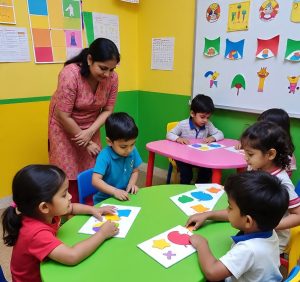
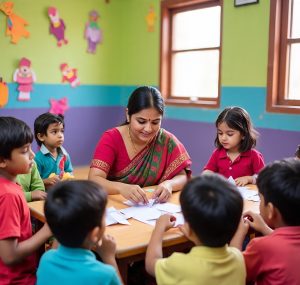
  • Creating posters on a theme – collaborative expression
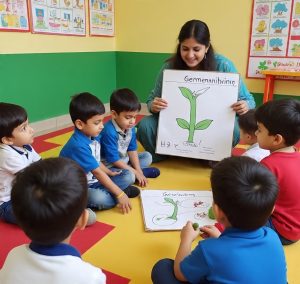
  • Timeline activity (germination) – understanding order and time
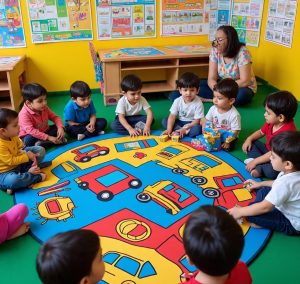
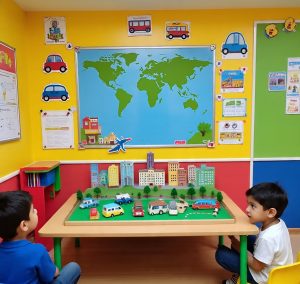
  • Transport mat- conceptual understanding
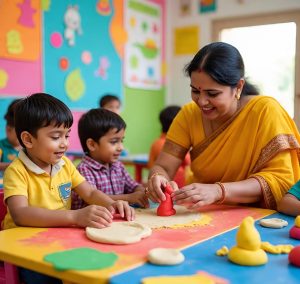
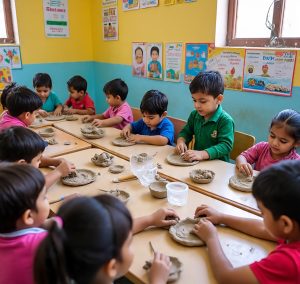
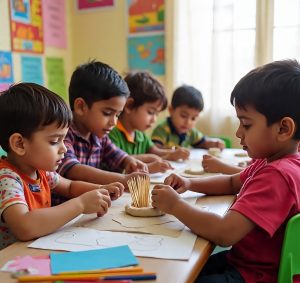
  • Clay /dough modelling – strengthens hand muscles, encourages creativity
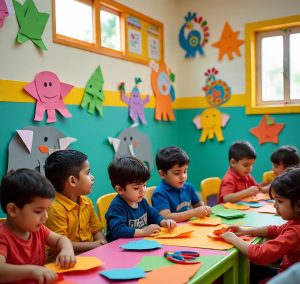
  • Lacing beads/threading, scissor work activities – hand-eye coordination
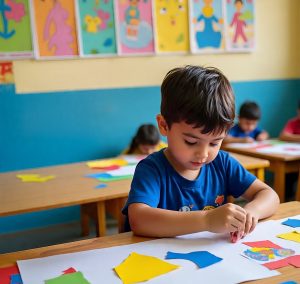
  • Paper tearing & pasting collages, pouring water through a funnel – precision and control
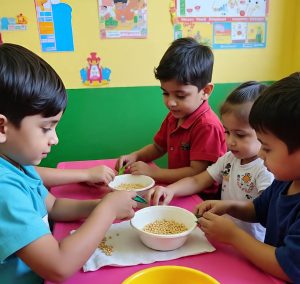
  • Using tongs/tweezers for sorting/pounding chana – grip and coordination
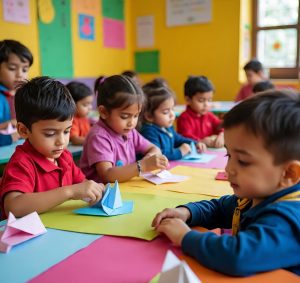
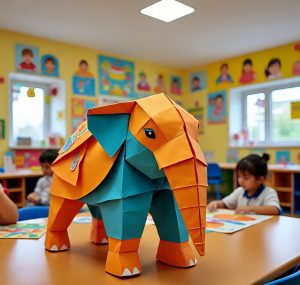
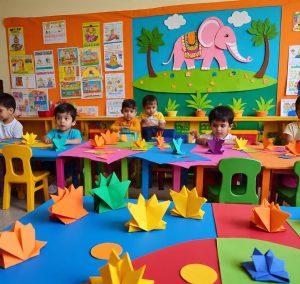
  • Origami / folding napkins or paper – spatial awareness, discipline
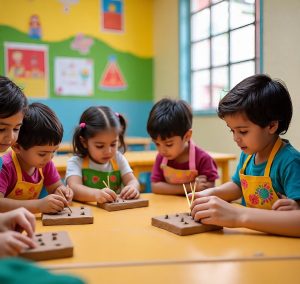
  • Poking holes with toothpicks in clay – precision and control
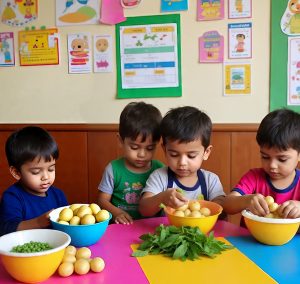
  • Potato peeling/peeling peas/plucking mint, methi leaves – finger dexterity
  • Using mini clothespins on a line – pincer grip strengthening
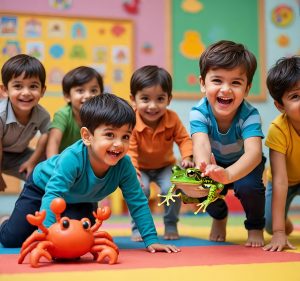
  • Animal walks (crab walk, frog jumps) – builds strength and balance
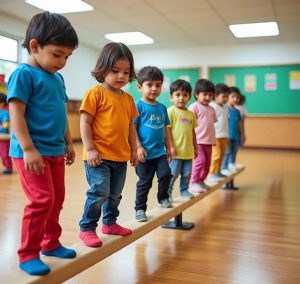
  • Balancing beam/walking on a line – improves coordination
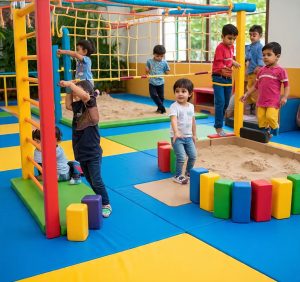
  • Obstacle courses (indoor or outdoor) – agility and problem-solving
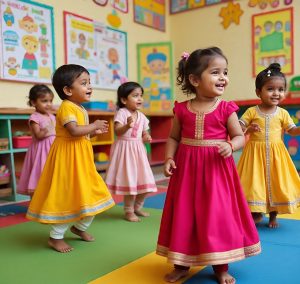
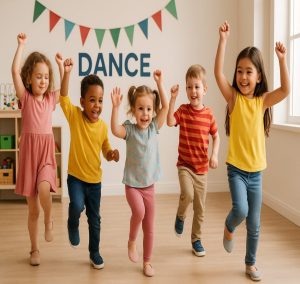
  • Dancing to music/action songs – rhythm, coordination
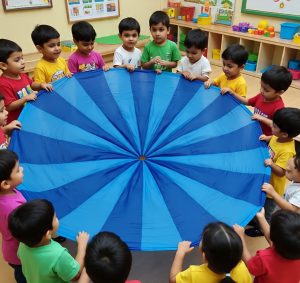
  • Parachute play or ball relay – teamwork and movement control
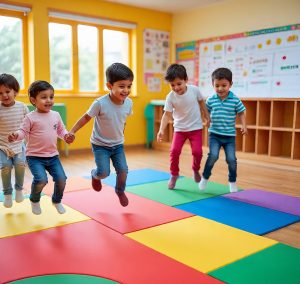
  • Jumping on shape mats – coordination and shape recognition
  • Tunnel crawling – spatial awareness
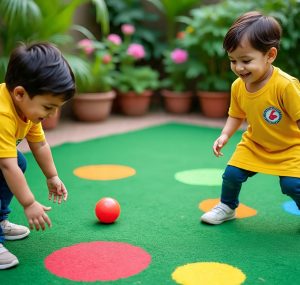
  • Rolling a ball into targets /kicking the ball – aim and body control
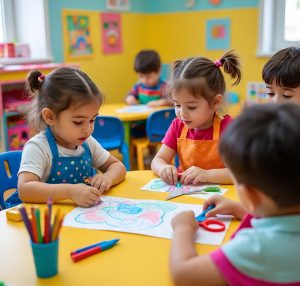
  • Colouring with music/using ink filler – emotional release, creativity
  • Crayon clump/scribbling using wet chalk/holey painting, squirt painting/painting using Q-tips – creativity
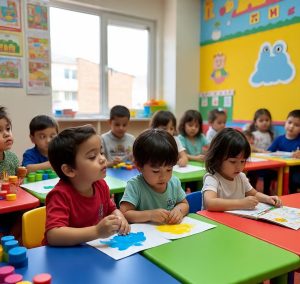
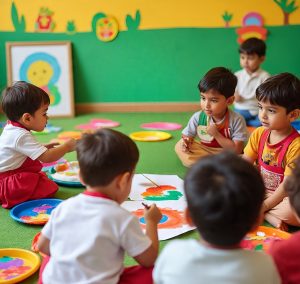
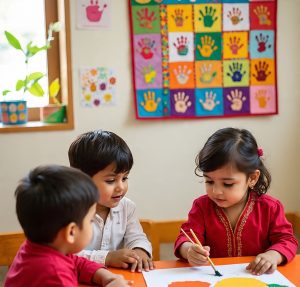
  • Finger painting or sponge painting – tactile experience
  • Crafts based on festivals or stories – cultural and contextual learning
  • Music and movement sessions – expressive communication
  • Dramatic play with costumes – imagination and narrative building
  • Kitchen band– auditory creativity
  • Bubble painting – exploration and fun with colours
  • Doodle storytelling – combining drawing and narration
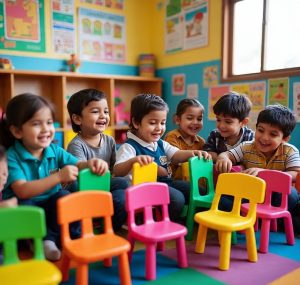
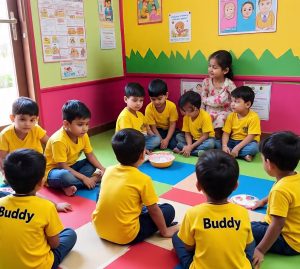
  • Structured play (group games with rules) – following instructions, teamwork
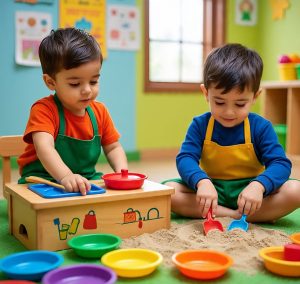
  • Parallel play (side-by-side activities) -kitchen set, sand play using sand toys – early social awareness
  • Associative play (sharing resources), friendship quilt, buddy painting– negotiation and collaboration
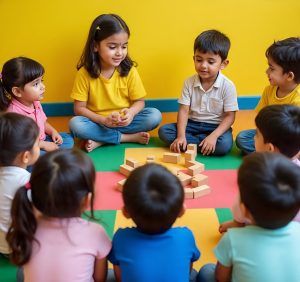
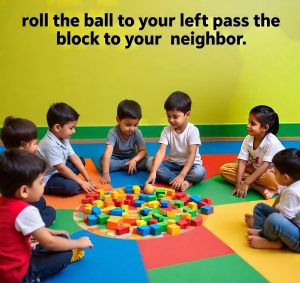
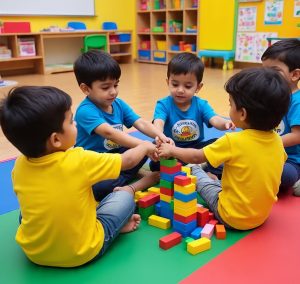
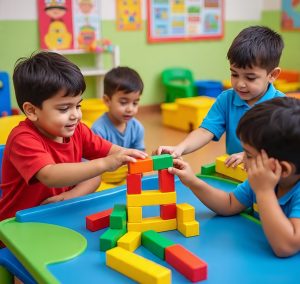
  • Cooperative play (building using blocks or role-play games) – empathy, leadership
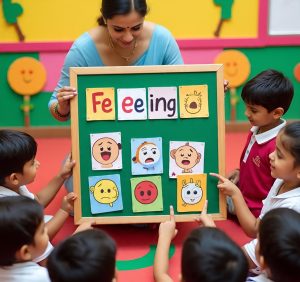
  • Circle time discussions – expressing feelings, active listening
  • Building a train with chairs – shared imaginative play
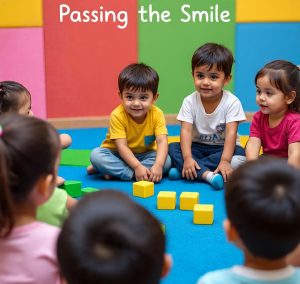
  • Passing the smile game – building comfort in group settings
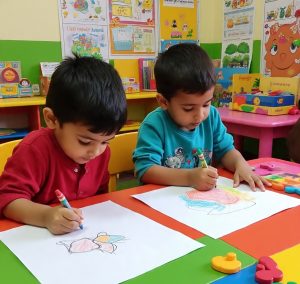
  • Buddy Painting- fostering collaboration
  • (one draws, one colors) – collaboration and patience
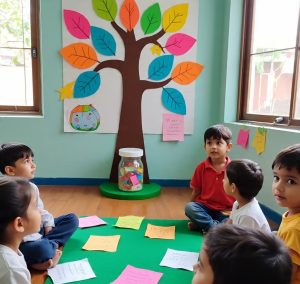
  • Kindness tree or compliment jar – social responsibility
  • Buddy systems/peer helpers – fostering care and cooperation
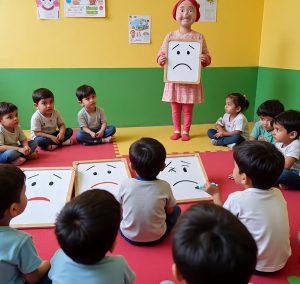
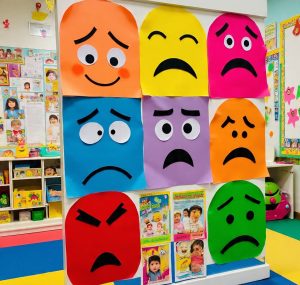
  • Feelings flashcards and stories – naming emotions
  • Emotion charades – recognizing expressions
  • Emotion collage using magazines – identifying feelings
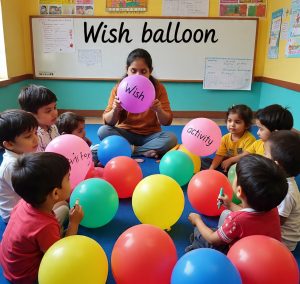
  • Wish balloon activity – expressing desires and dreams
  • Multi-sensory activity- vocabulary building, movement
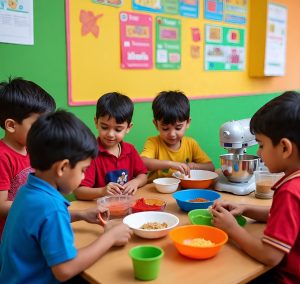
  • Cooking without fire (theme-based) – motor, math, communication
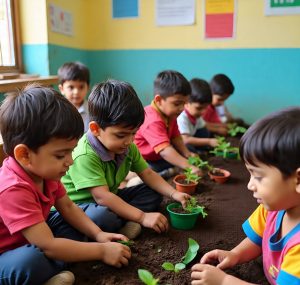
  • Gardening/planting seeds – fine motor, responsibility, observation
  • Puppet shows by children – storytelling, fine motor, and confidence
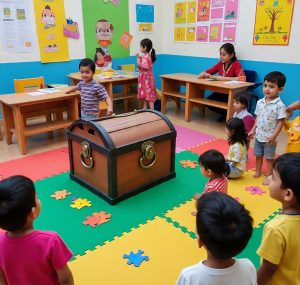
  • Treasure hunt with clues (theme-integrated) – problem solving, movement
  • Sensory bins (rice, sand, water beads) – sensory, imaginative, fine motor
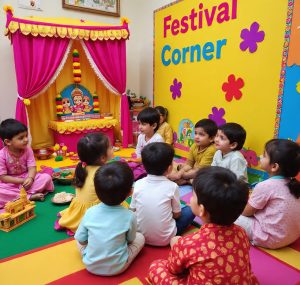
  • Festival corner with costumes and props – cultural exposure and role play
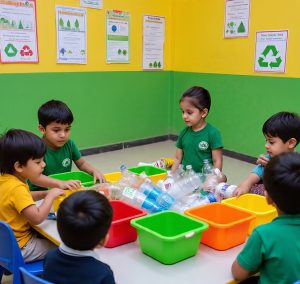
  • Recycling sorting game – environmental awareness and motor skills
  • Brain Gym – combining narratives with movement and mindfulness, focus
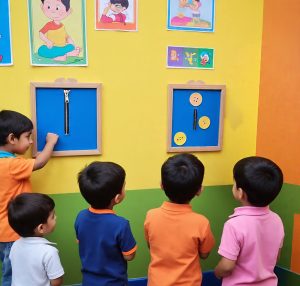
  • Zipping and buttoning frames – life skills
  • Sorting -fine motor, focus, grouping, classification
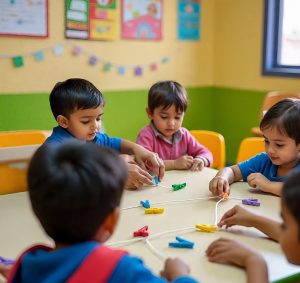
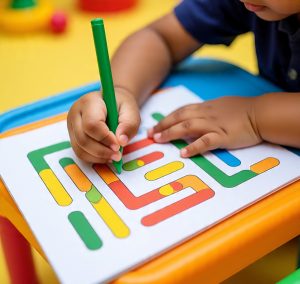
  • Bead maze- pre-reading & writing skill, left to write movement
  • Maze chase- problem solving, conceptual strengthening